
Methods to Achieve Sustainable Clean-In-Place

A clean-in-place (CIP) system is among the largest users of consumables at a hygienic processing plant. Presented here are tips for reducing the consumption of water, chemicals and time in CIP operations. In many industries there is a burgeoning awareness and pursuit for financially justifiable resource conservation. The cleaning routines that make sanitary processing
Addressing Frequently Asked Questions about CIP Systems

Whether you are a food, beverage, fine chemical or pharmaceutical manufacturer, there are questions that are common to every cleaning-in-place (CIP) project. In this blog, several frequently asked questions are answered. How does CIP Program Definition Impact the Project Budget? If RO (Water Purified using Reverse Osmosis), DI (Deionized Water) or WFI (Water for

The Power of Color Codes: Translating Process to Automation

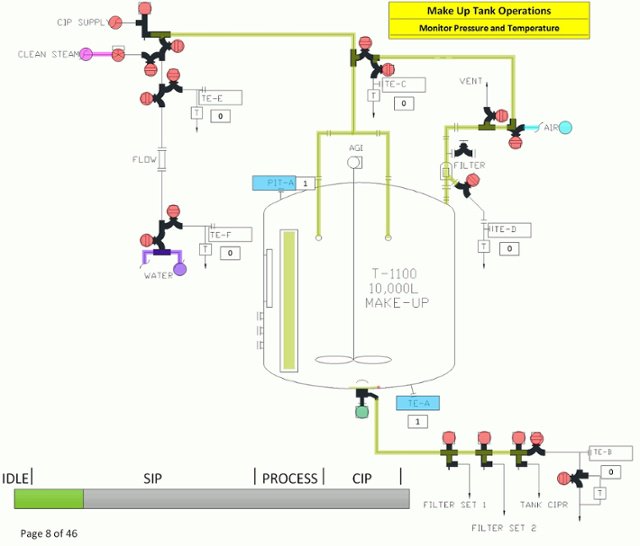
How do you translate process design knowledge to other disciplines in a timely fashion? Our process engineering team must demonstrate to the client exactly how their new systems will work. To avoid potential miscommunication, we need a tool that: Represents complex process operations visually. Conceptualizes the engineering on paper. Provides a deliverable which can be reviewed more

How Much Water Does it Take to Make a Hamburger?

Here’s a question most consumers don’t ponder when diving into their favorite greasy cheeseburger: how much water did it take to make this? For food and beverage producers, however, the question of water consumption grows more important by the day. An increased need for water conservation around the globe means manufacturers must consider ways

Go to Top